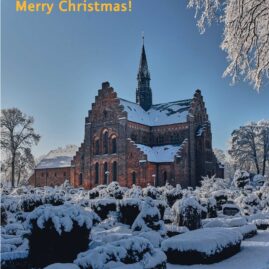


The town of Gransee has become a new member of the international network European Route of Brick Gothic, based in Berlin. With its exceptionally well-preserved ensemble of medieval brick architecture, this small town in Brandenburg enriches the Danish-German-Polish cultural network with an important example of Northern Germany’s architectural and urban heritage.
By joining the network, the town of Gransee aims to place its Brick Gothic monuments more prominently within a broader European cultural and historical context and to strengthen recognition of the town as an important site of medieval architecture. Membership also opens up new opportunities for international cooperation, cultural exchange, and joint tourism and research projects.
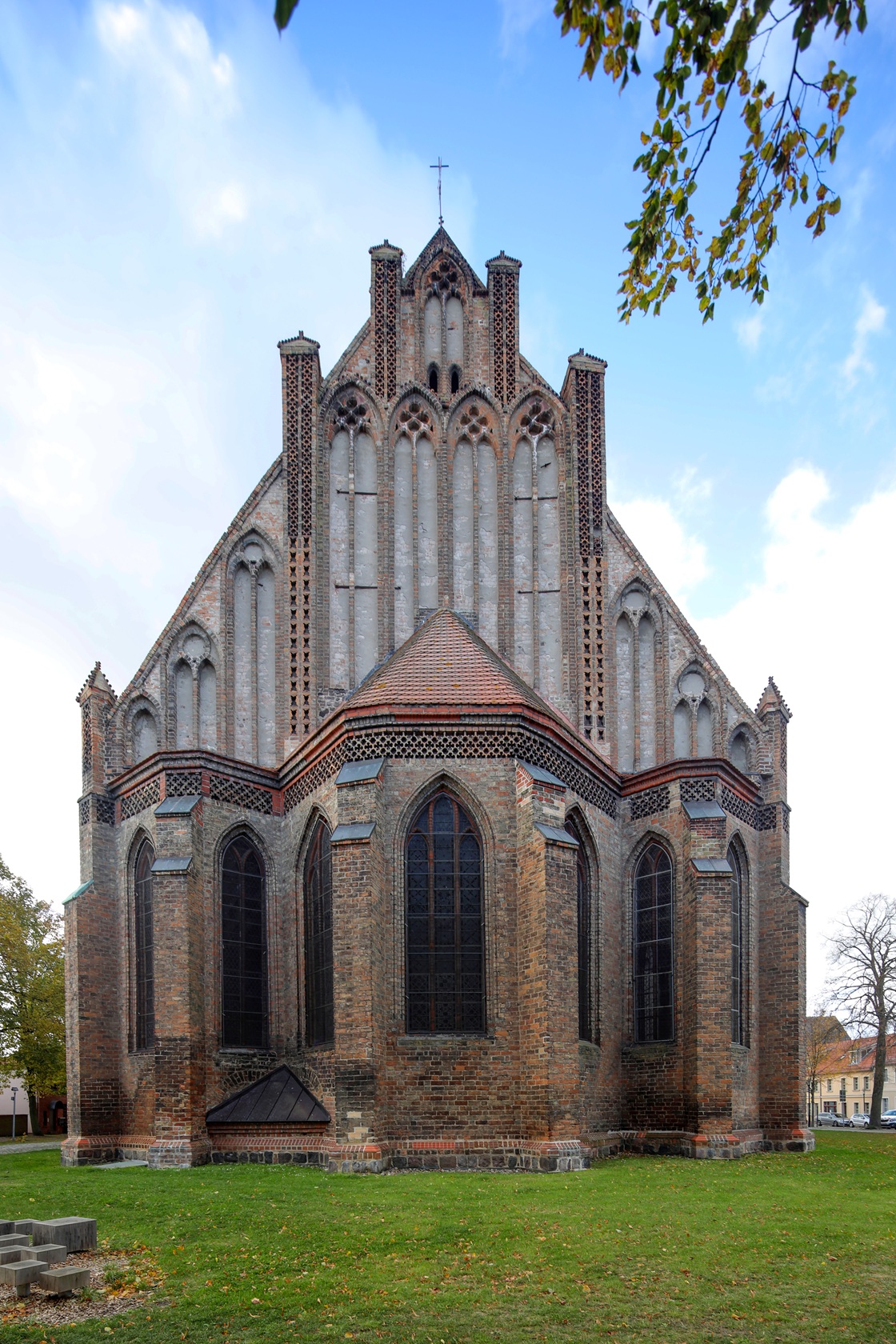
Among Gransee’s most outstanding Brick Gothic landmarks are St. Mary’s Parish Church (13th to early 16th century), the almost completely preserved town wall from the 14th century with its impressive Ruppin Gate and the 15th-century Powder Tower, the former Franciscan Monastery dating from the late 13th century, and St. Spiritus Hospital Chapel, built around 1300. Together, these monuments continue to shape Gransee’s historic townscape and bear witness to the town’s economic and cultural prosperity during the Middle Ages.
The European Route of Brick Gothic supports its member towns and cities in promoting and preserving the shared cultural heritage of Brick Gothic architecture across Europe. Cooperation includes joint publications, cultural tourism initiatives, events such as the Day of Brick Gothic, and professional exchange within the association’s academic and tourism working groups.
With Gransee’s accession, the European Route of Brick Gothic expands its network with another authentic site of medieval brick architecture. Visitors are thus offered a new opportunity to explore the history and architectural heritage of the region within a wider European context.
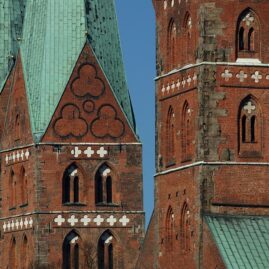
Photo: St. Mary’s Church, Gransee, east gable. Photo by Eiko Wenzel.